
Lipscomb County Sex Offender Checks
The Texas Public Sex Offender Registry search is the main public channel for Lipscomb County. Texas DPS manages the database and receives registration information from local criminal-justice agencies, the Texas Department of Criminal Justice, and the Texas Juvenile Justice Department. Ordinary public searches require no fee or login. Start with a name when a date of birth is known, or use the map-address control for place-based awareness. Search more than one town when the goal is broad Lipscomb County coverage.
A Lipscomb County registry match is not fingerprint identification. DPS cautions that it cannot guarantee a result is the person a searcher had in mind. Compare the photograph, aliases, birth date, physical description, offense, status, and verifying agency. The Lipscomb County address and map help with context, but neither should stand alone. For an error or suspected failure to report, contact the verification agency shown on the profile. Call 911 only when there is an emergency.
The current Texas search screen shows the actual public starting point for a Lipscomb County lookup.
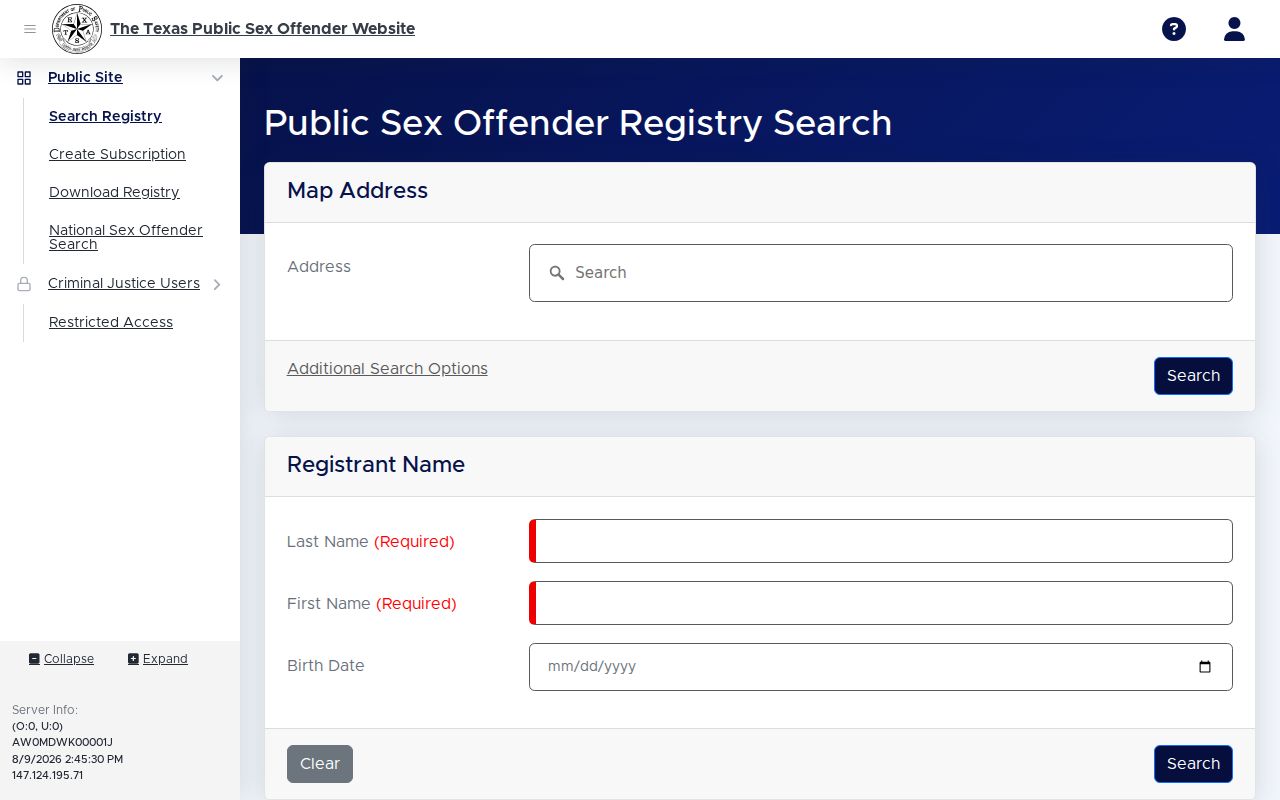
That official interface, rather than a commercial map, is the right place to begin and to recheck a result later.
Unmapped Lipscomb County Registry Results
Lipscomb County covers a large rural area with very low population density. Some route descriptions, post-office-box records, and addresses that do not match the mapping service may fail to create a pin. The Texas portal provides an “Unmapped” result view for that reason. A blank-looking map is not a certificate that no registrant is listed near an address.
Run the Lipscomb County place search, read the list results, and open the Unmapped group before drawing a conclusion. Search Booker, Follett, Higgins, and Lipscomb by name when appropriate. Slight changes in a rural address may also affect map matching. This local map problem is one of the most important limits on a Lipscomb County registry search. Use profile text and the listed agency, not just the dots on a screen.
Texas Public Sex Offender Registry Searches
The Texas registry offers a Lipscomb County map-address search, a registrant-name search, and a separate higher-education search. Additional controls can change as the live portal loads, so use only fields the current screen displays. The session notice states that it times out after 30 minutes. An account supports subscription alerts about database changes, but the public search itself is open without an account.
- Open the official Texas registry search and review its conditions of use.
- Enter an address for area awareness, or enter a last name, first name, and birth date when known.
- Review both mapped and Unmapped results, then compare enough profile details to avoid a false match.
- Open the full profile and note the status, offense, verification agency, dates, and address type.
| Field label | Type | Required | Notes |
|---|---|---|---|
| Map Address | Address and map input | Not specified | Additional options expand; the captured interface did not expose a fixed radius menu. |
| Last Name | Text | Not specified | A name match is not positive fingerprint identification. |
| First Name | Text | Not specified | Pair with birth date when known. |
| Birth Date | Date input | Not specified | The text capture did not expose a format rule. |
| Institute and Campus | Dynamic dropdowns | Not specified | Campus choices depend on the institute selected. |
Lipscomb County Registration Routes
Texas law generally sends a registrant who lives inside a municipality to that city’s chief of police and a rural resident to the sheriff. Booker has an official police department at 222 S. Main Street, Booker, Texas 79005, with a published number of 806-658-4579. For unincorporated Lipscomb County, the supported contact is the Lipscomb County Sheriff at 105 E. Oak in Lipscomb, 806-862-2611.
Official sources did not establish a Follett or Higgins police registration desk. Residents there should call City Hall and the sheriff to identify the right local authority. Do this before the statutory reporting window closes. The usual deadline is no later than the later of seven days after arrival or an address change, or the first day the local authority’s policy permits registration. No dedicated Lipscomb County registrar hours, appointment page, local form, or fee was found, so call before appearing.
The DPS registration program page provides the state framework used by Lipscomb County authorities.
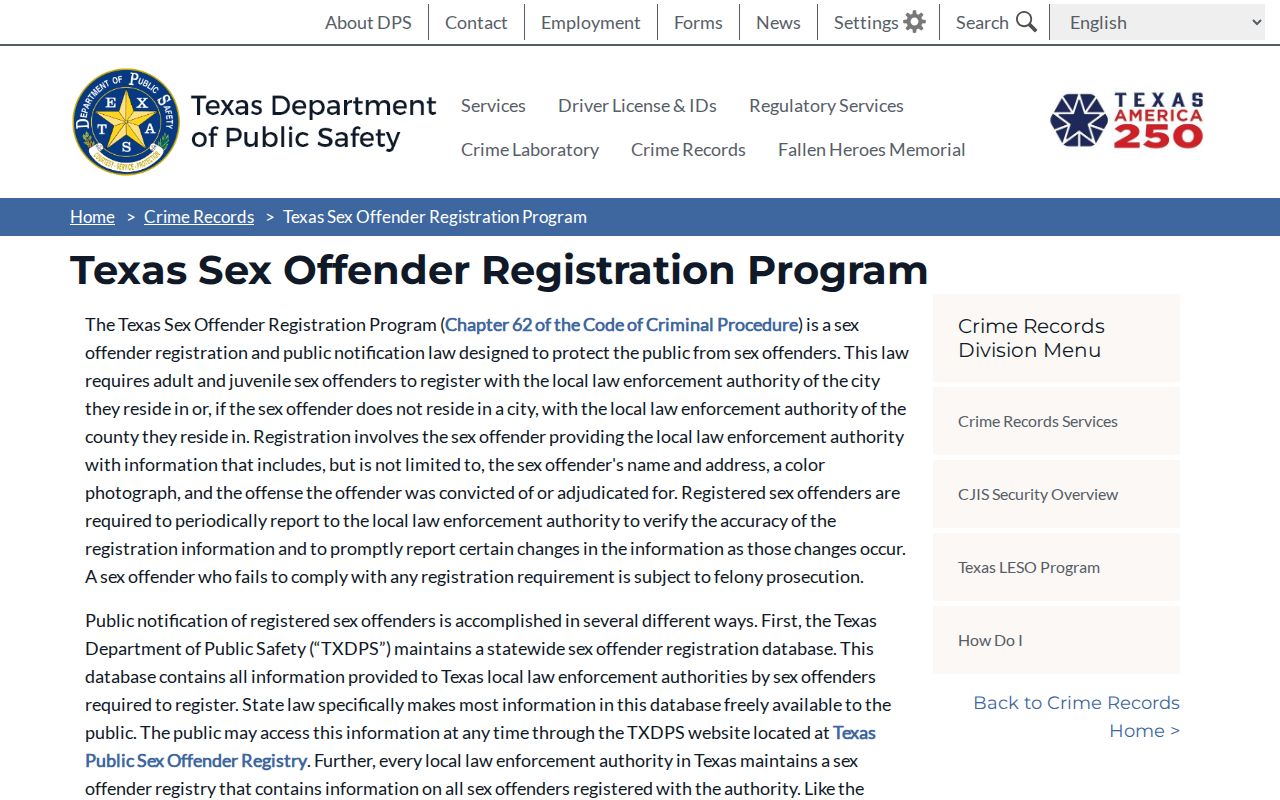
The state program explains why local verification and the statewide public profile are linked but handled by different offices.
Registry Profiles: What They Show
A Texas public profile combines identity clues, Lipscomb County registration facts, and offense information. Read the whole record. Status labels may include registered, absconded, incarcerated, or out of state when applicable. The profile may show the agency responsible for verification and the dates that help explain whether an update is due. It may also list public work, vehicle, or higher-education information when the law calls for it.
| Name and aliases | Published names and aliases used to distinguish records, paired with birth and physical details. |
|---|---|
| Photo and description | Color photo plus sex, race or ethnicity, height, weight, hair, eyes, and listed marks or tattoos. |
| Address information | Lipscomb County residence or address type, map location when it can be mapped, and the registering or verifying agency. |
| Offense record | Reportable offense description and statute, conviction or adjudication date, jurisdiction, and public victim age or sex category. |
| Duty and status | Risk number, verification frequency, public status, registration dates, and lifetime or end-date information when shown. |
| Other public fields | Higher-education link, public work address, vehicle details, and verification dates where listed. |
Social Security numbers, driver-license numbers, telephone numbers, online identifiers, victim identities, and law-enforcement-only details are not public Chapter 62 fields. Some juvenile registration can also be ordered nonpublic. A missing private field is a legal limit, not a broken profile.
Lipscomb County Cross-Border Registry Searches
Lipscomb County borders Oklahoma to the north and east. A Texas-only query may therefore be too narrow for a family-safety or community-awareness question near the state line. The National Sex Offender Public Website, operated by the U.S. Department of Justice, searches participating jurisdictions through one federal entry point.
Use NSOPW as a second layer, not as a substitute for reading the Texas record. Its official mobile product supports name searches and quarter-mile, half-mile, or one-mile radius searches. Those radii belong to NSOPW and should not be attributed to the Texas map. If the two systems seem to differ, open the source-jurisdiction profile and contact the verification agency it names.
The official national search landing page shows the cross-state option available to Lipscomb County residents.
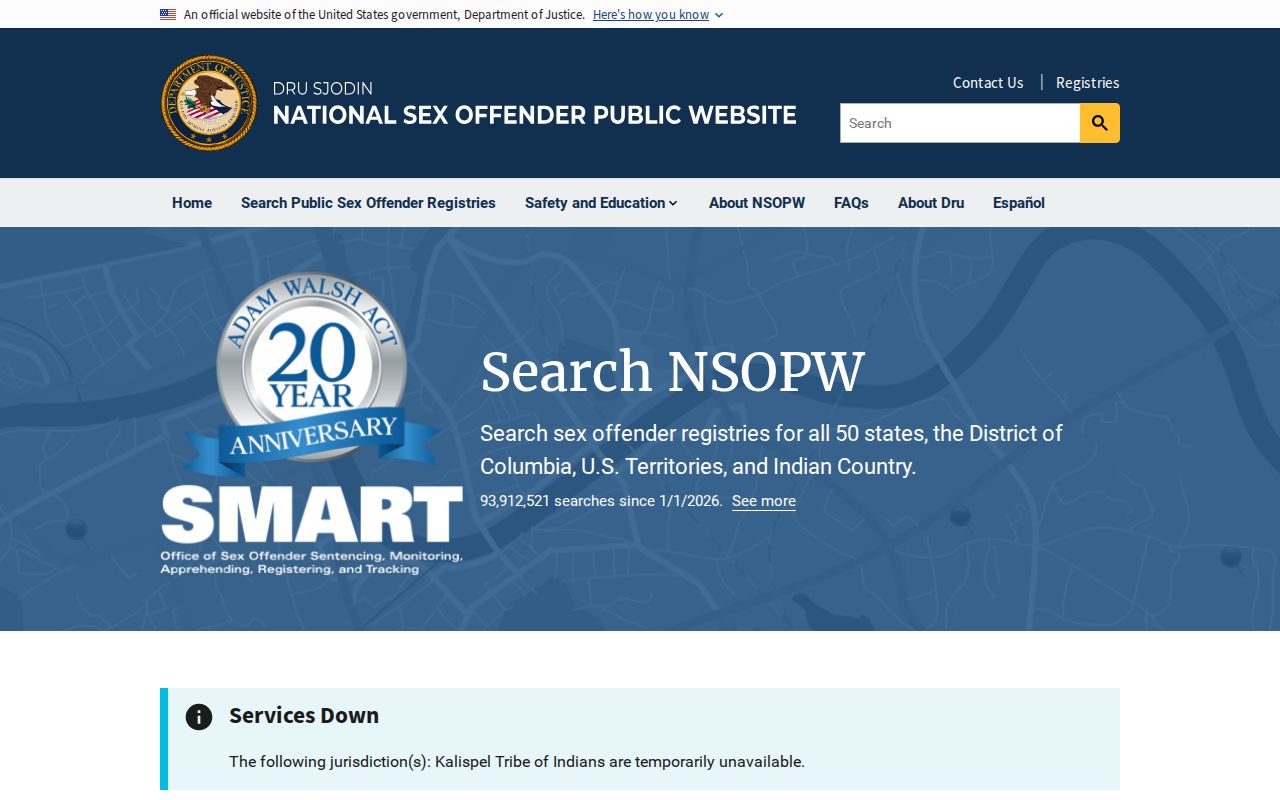
This federal layer is most useful when an address or prior offense may sit across the nearby Oklahoma boundary.
Registration Levels and Duties in Texas
Texas risk levels describe assessed danger. They do not set the length of Lipscomb County registration by themselves. DPS states that adult registration lasts for life or for a statutory ten-year period after the relevant discharge point, depending on the reportable offense. That discharge point may be release, supervision discharge, or dismissal after deferred adjudication rather than the first conviction date seen on a profile.
| Texas designation | DPS meaning | Duration and verification |
|---|---|---|
| Level 1, Low | Low danger and not likely to continue criminal sexual conduct. | Offense-based lifetime or ten-year duty; many registrants verify annually. |
| Level 2, Moderate | Moderate danger and may continue criminal sexual conduct. | Offense-based lifetime or ten-year duty, not a fixed Level 2 term. |
| Level 3, High | Serious danger and expected to continue criminal sexual conduct. | Offense-based duration with enhanced community-notification consequences. |
| Civil Commitment | Separate court designation for a sexually violent predator. | Order and offense control; separate, intensive verification rules apply. |
Article 62.058 requires at least 90-day verification for a person with the specified repeat sexually violent offense combination. Many other registrants verify each year around a birthday window. Civil commitment can require more frequent checks. Exact offense statutes, dates, and combinations matter, so the displayed profile and current DPS determination are safer than hand-calculating an end date.
Lipscomb County Risk-Level Trap
Do not treat Lipscomb County Level 1, Level 2, and Level 3 results as federal SORNA tiers or as ten-year, twenty-five-year, and lifetime labels. Texas uses its own danger assessment, while Chapter 62 ties duration to the qualifying offense and discharge facts. A low-risk number can still sit beside a lifetime duty. A high-risk designation can affect public notice without serving as the calendar for registration.
The Texas Code of Criminal Procedure Chapter 62 is the controlling statute for registration duties. It also contains narrow petition and removal paths that cannot be decided from a generic chart. When a Lipscomb County profile raises a duration question, use the live DPS material and the record’s own dates rather than guessing from the level alone.
Rural Lipscomb County Notifications
Enhanced Lipscomb County address notice is not sent for every person listed on the registry. For qualifying high-risk and civil-commitment cases, DPS may send English and Spanish postcards to non-post-office-box addresses within one mile in an unsubdivided area or within three blocks in a subdivided area. The one-mile rural rule has special practical weight across Lipscomb County.
Lipscomb County schools receive certain notices under different offense, victim, and student conditions. The public registry remains the broad day-to-day source. Do not wait for a postcard before making a lawful safety search. An account can support database-change subscriptions, but the research did not verify a fixed alert radius in the Texas account workflow. Read the current options before relying on them.
The published Chapter 62 text supplies the legal basis for Texas registration and notification.
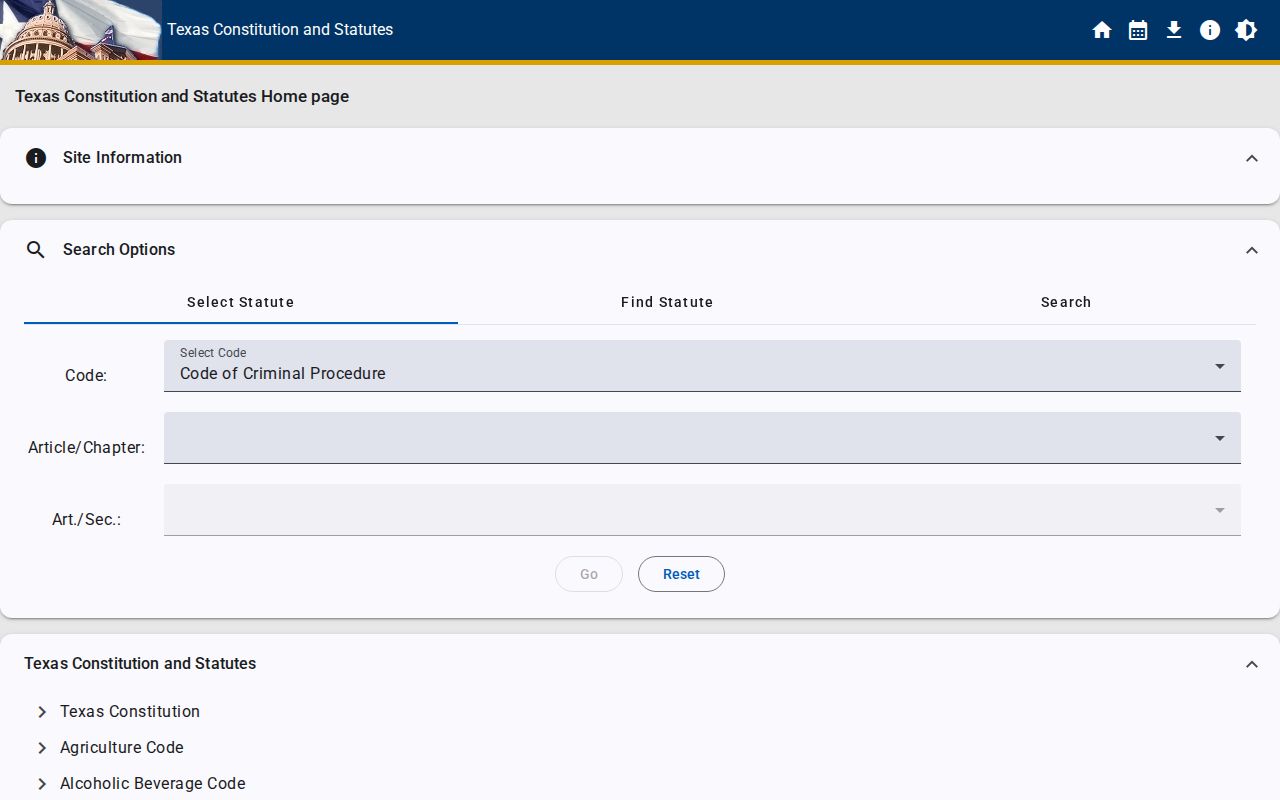
Its detailed rules explain why a public profile, local verification, and enhanced notice are related but not identical.
Correcting Lipscomb County Registry Data
Start with the Lipscomb County verification agency displayed on the profile. That office is the best first contact for a suspected address, status, or compliance issue. Booker residents can call Booker Police at 806-658-4579. For rural county matters, call the Lipscomb County Sheriff at 806-862-2611. Follett and Higgins callers should confirm which authority is responsible before appearing at an office.
Describe the exact profile field and why it appears wrong. Do not publish a private accusation or try to investigate the person yourself. An “absconded” label is a compliance status that should be reported to law enforcement, not a signal for confrontation. If a concern crosses state lines, use the agency on the originating state record. For an immediate threat, call 911.
Note: Map placement can lag or fail, so cite the profile and verification agency when reporting a possible Lipscomb County registry error.
Using Registry Information Lawfully
Lipscomb County registry information supports personal safety and community awareness. It does not grant a right to threaten, follow, expose, or confront a registrant or anyone in that household. Confirm identity before making any judgment. Fingerprints are the only positive identity link, and DPS expressly warns about errors caused by secondary distribution.
Texas research did not establish a uniform statewide school or park residential buffer in Chapter 62, and no current Booker, Follett, or Higgins buffer ordinance was located. Do not infer a violation from distance alone. Verify any local rule with the relevant municipality and report a suspected compliance issue to the profile’s verification agency.
Use the registry lawfully: Under the Texas sex-offender registration program in Chapter 62, public access does not authorize harassment or vigilantism. DPS warns that injury, harassment, or other unlawful use can lead to criminal prosecution or civil liability.